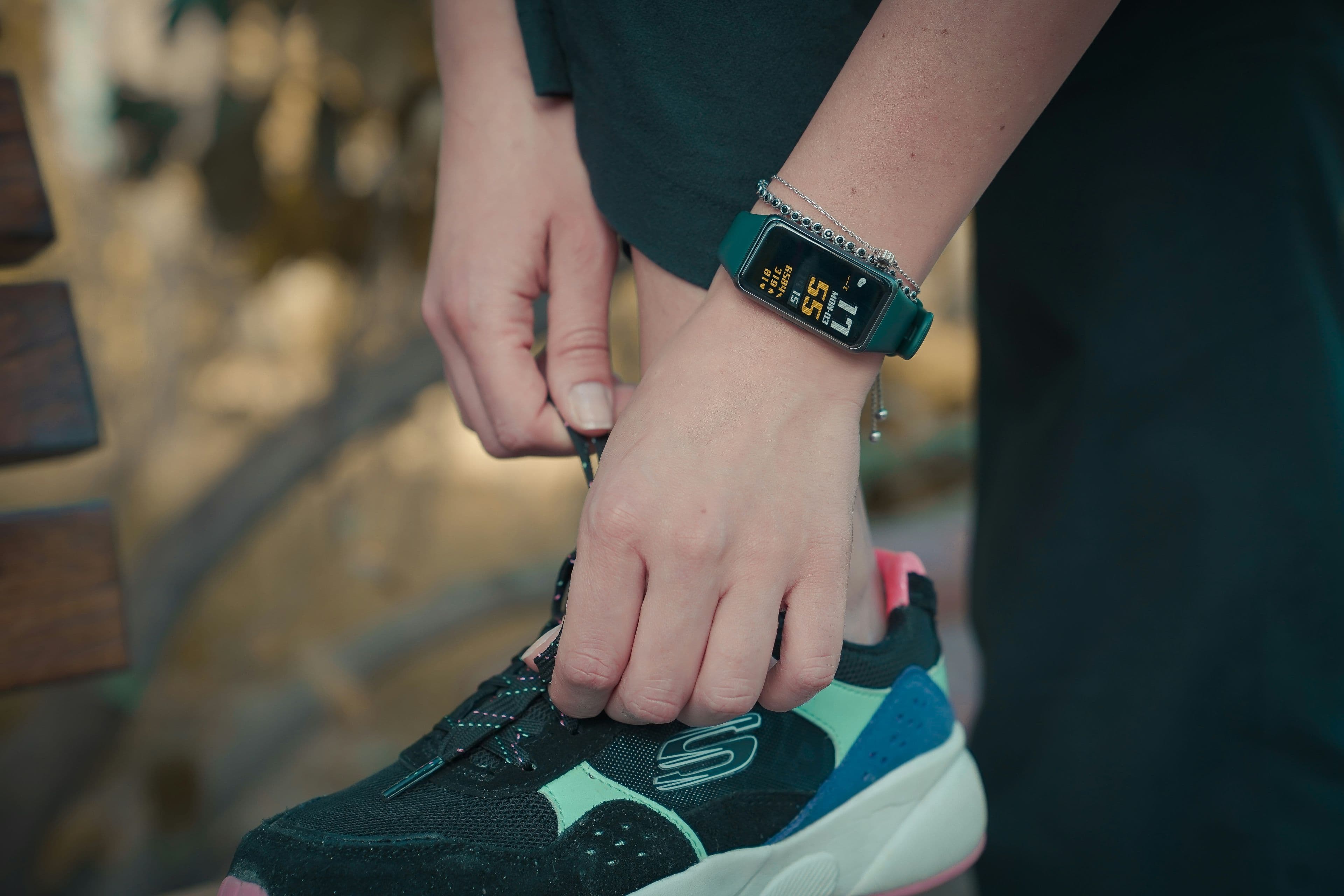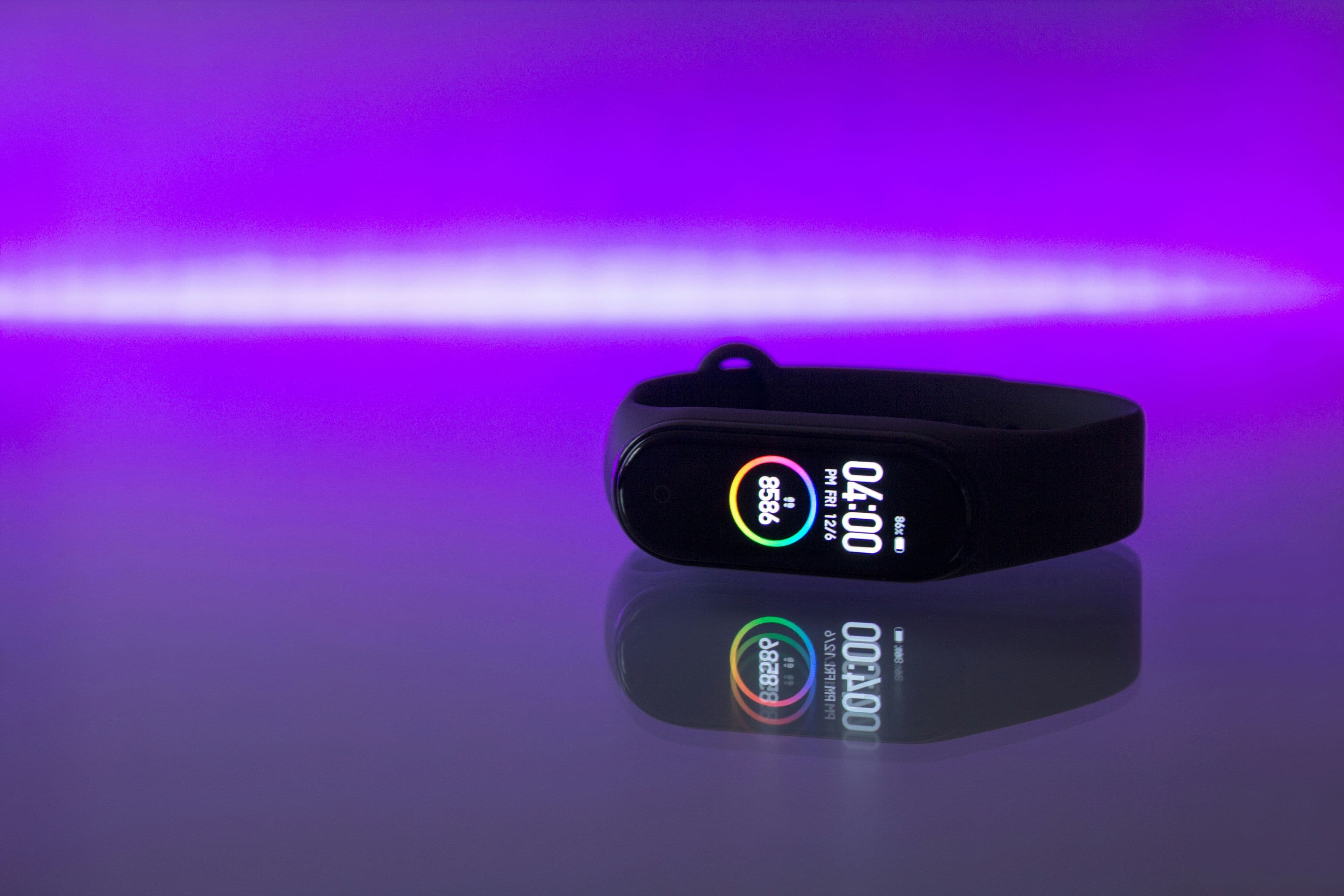
Fitness trackers have become genuinely affordable, but the feature lists on the box can be overwhelming. If you want a practical daily-use device rather than a serious sports-training tool, here's what to actually pay attention to.
Core features worth paying for
- Battery life of at least 5–7 days — anything shorter means daily charging, which most people abandon within weeks
- Accurate step and heart-rate tracking (checked against reviews, not the marketing copy)
- Water resistance rated for at least hand-washing and light rain, ideally swim-proof if that matters to you
- A companion app that works reliably with Android, since most budget bands are Android-first
Features you can usually skip paying extra for
Built-in GPS, ECG readings, and blood-oxygen sensors sound impressive but are rarely accurate enough at the budget tier to be medically meaningful. If health monitoring is a serious concern, that's a conversation for a doctor and proper medical equipment, not a $20 wristband.
Band vs smartwatch: which fits your actual routine
| Type | Best for | Trade-off |
|---|---|---|
| Basic fitness band | Simple step/sleep tracking, week-long battery | Small screen, limited notifications |
| Budget smartwatch | Notifications, calls, more detailed app features | Battery life drops to 1–3 days typically |
Buying and charging tips
Confirm the charging method before buying — proprietary charging clips are easy to lose and hard to replace locally, while USB-C charging bands are far more convenient if you ever need a replacement cable.
💡 Anesu's tip
Set your tracker's sync frequency to a longer interval if you're trying to stretch battery life through a multi-day outage — constant background syncing is one of the biggest hidden battery drains.
Total cost of ownership
| Factor | What to expect |
|---|---|
| Typical price band | $15–$40 for a solid basic band |
| Realistic lifespan | 1.5–2.5 years before battery capacity degrades enough to notice |
| Hidden costs | A replacement strap eventually, since these wear out faster than the tracker itself on daily-wear bands |
Pre-purchase checklist
- 1.Confirm the charging method — proprietary clips are easy to lose, USB-C is more convenient
- 2.Check that the companion app works reliably on your phone's Android version
- 3.Check the water-resistance rating matches how you'll actually use it
- 4.Read recent reviews on real-world battery life, not just the box claim
Related reading
Our take
For most everyday users, a basic band with a week of battery life and reliable step tracking will genuinely improve daily habits more than a feature-packed smartwatch you have to charge every night.