Every household dealing with regular load-shedding eventually invests in dedicated lighting, but the range of rechargeable lanterns and torches on the market varies enormously in actual usable runtime and durability.
Lantern vs torch vs headlamp: pick based on how you'll use it
| Type | Best for | Trade-off |
|---|---|---|
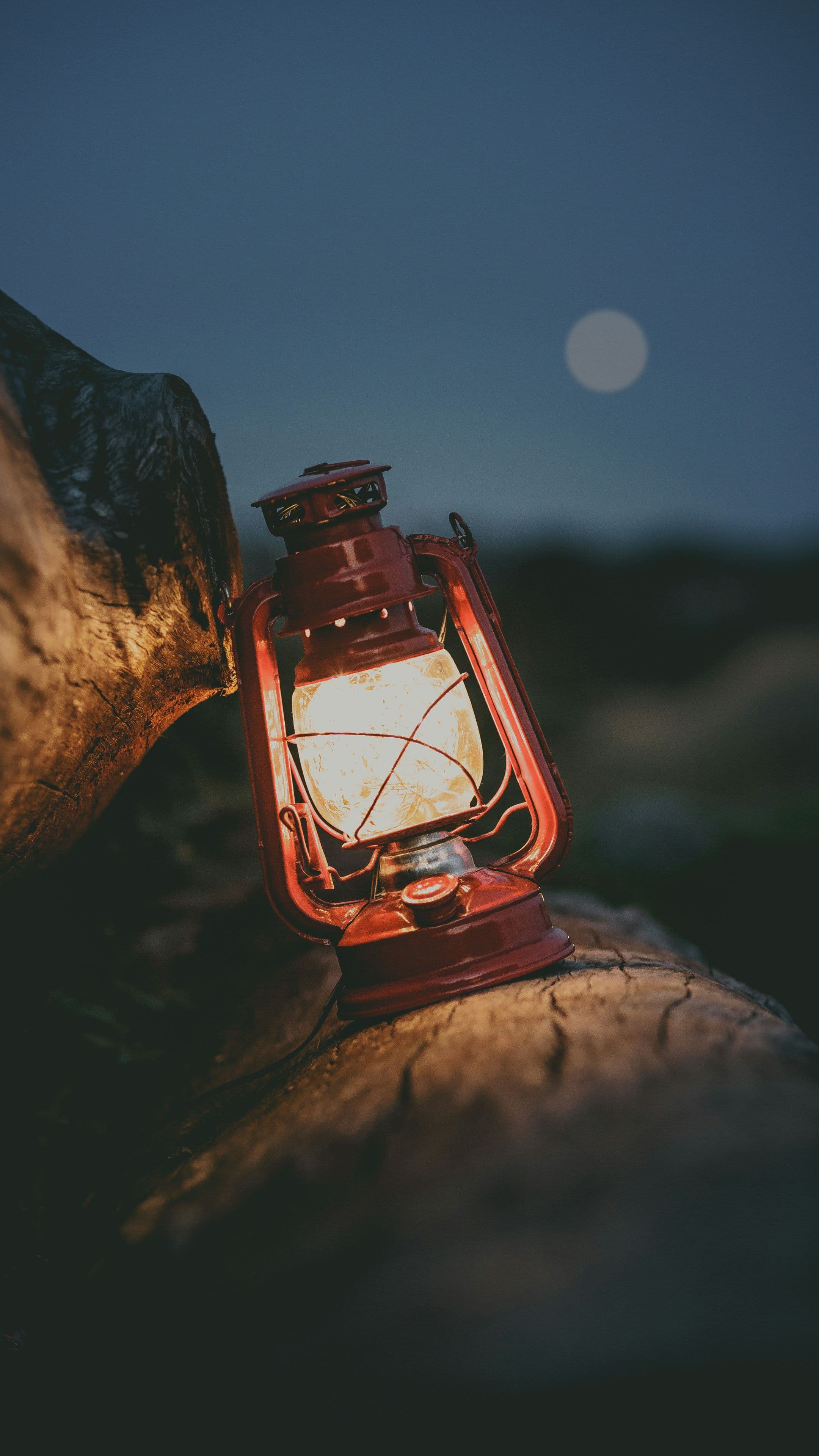
| Lantern (360° light) | Lighting a whole room, shared family spaces | Less useful for directed tasks like reading fine print |
| Torch/flashlight | Directed light, outdoor use, checking things closely | Doesn't light a whole room well |
| Headlamp | Hands-free tasks like cooking or repairs during an outage | Less comfortable for casual, extended sitting use |
What actually determines usable runtime
- Battery capacity (mAh) combined with the light's power draw at your chosen brightness setting
- Whether it has multiple brightness modes — running on a lower setting dramatically extends runtime
- Battery type: built-in rechargeable lithium vs replaceable batteries, each with different long-term cost implications
- Charging method and time — a lantern that takes 8 hours to charge is hard to keep topped up on unpredictable schedules
Solar-charging lanterns: worth the extra cost?
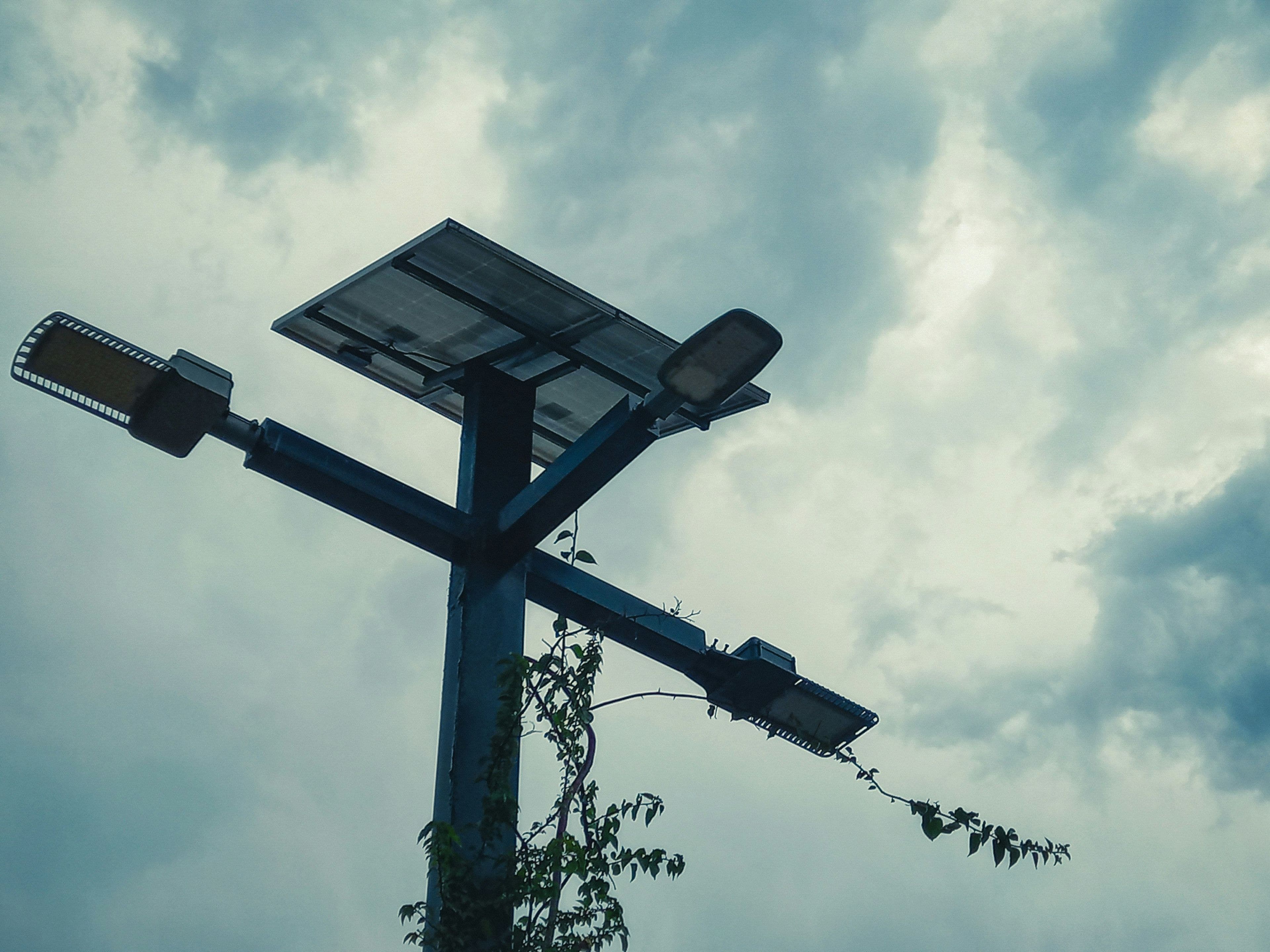
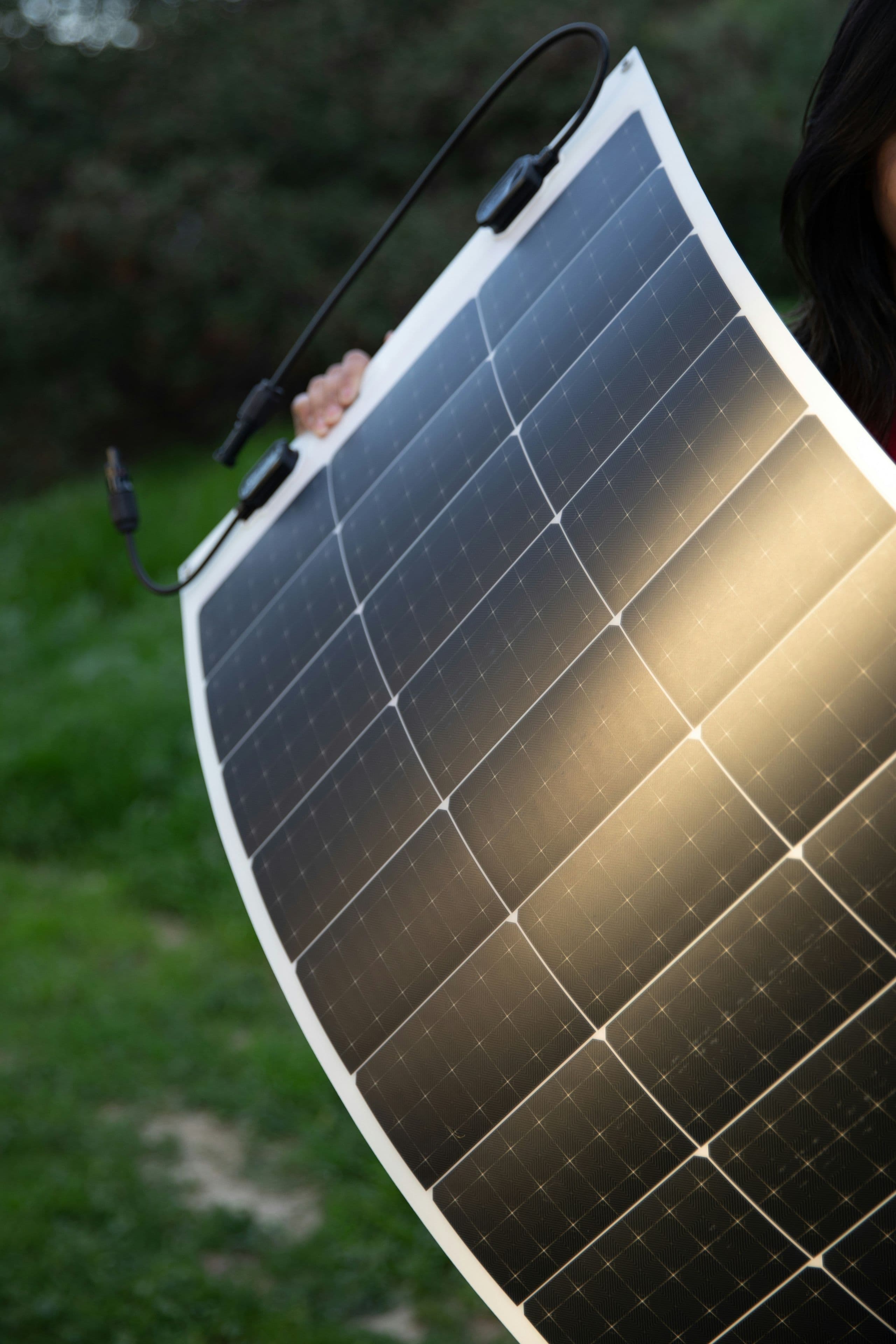
A lantern with an integrated solar panel is a genuinely useful backup-of-a-backup, but like solar power banks, treat the panel as a slow trickle option, not your main charging plan. Prioritize a lantern with good wall-charging speed first, solar as a bonus feature second.
💡 Anesu's tip
Keep at least one dedicated lantern charged and stored in a fixed, memorable spot rather than wherever it was last used — during an actual outage is the worst time to be searching the house in the dark for it.
Total cost of ownership
| Factor | What to expect |
|---|---|
| Typical price band | $8–$25 depending on brightness and battery capacity |
| Realistic lifespan | Around 2 years (300–500 charge cycles) with regular load-shedding use |
| Hidden costs | Minimal — occasionally a replacement charging cable |
Pre-purchase checklist
- 1.Check for multiple brightness modes to stretch runtime when needed
- 2.Confirm the wall-charging time, not just the solar-charging claim
- 3.Treat any built-in solar panel as a bonus, not the main charging plan
- 4.Pick one fixed storage spot in the house and stick to it
Related reading
Our take
For most households, one multi-brightness lantern for shared spaces plus one small torch per family member covers the realistic range of load-shedding lighting needs without overspending.